Major Geological Features:
* Mountains: Elevated landforms with steep slopes, often formed by tectonic plate movement, volcanic activity, or erosion.
* Valleys: Depressions in the Earth's surface, often formed by rivers, glaciers, or tectonic activity.
* Plateaus: Elevated flat areas of land, often formed by volcanic activity or erosion.
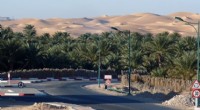
* Deserts: Arid regions with little vegetation, often caused by low rainfall or extreme temperatures.
* Oceans: Vast bodies of saltwater covering a large portion of the Earth's surface.
* Rivers: Channels of water that flow across the land, often draining from higher elevations to lower ones.
* Lakes: Inland bodies of water, typically enclosed by land.
* Glaciers: Masses of ice that flow slowly over land, often carving out valleys and shaping the landscape.
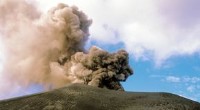
* Volcanoes: Openings in the Earth's crust where molten rock, ash, and gases erupt.
Smaller Features:
* Canyons: Steep-sided valleys formed by erosion, often by rivers.
* Caves: Natural underground openings, often formed by the dissolving of limestone.
* Sand dunes: Hills of sand created by wind deposition.
* Beaches: Areas of loose sediment, typically sand, along the shoreline.
* Cliffs: Steep rock faces along coastlines or mountains.
* Waterfalls: Places where a river or stream drops vertically over a cliff.
* Hot springs: Springs of naturally heated water, often associated with volcanic activity.
Important Note: Human activity can significantly alter natural features. While a feature may have been natural in its origin, human activities like deforestation, mining, and urbanization can significantly modify these features.
Understanding natural features is crucial for various fields, including geology, geography, environmental science, and resource management. It helps us appreciate the complexity and diversity of our planet and understand the forces that shape our world.