1. Earth's History:
* Age of the Earth: By studying the decay of radioactive elements within rocks, geologists can determine the age of different rock layers. This helps establish a timeline for Earth's history, revealing when different geological events occurred.
* Past Environments: The types of rocks and fossils found in a layer tell us about the environment that existed when the layer formed. For example, a layer with marine fossils indicates a past ocean, while a layer with volcanic ash suggests a past volcanic eruption.
* Climate Change: The composition of rocks, the types of fossils, and even the presence of glacial deposits can provide evidence of past climate conditions.
* Life on Earth: Fossils in rock layers document the evolution of life on Earth. By studying the progression of fossils, we can trace the development of different species and understand the history of life.
2. Plate Tectonics:
* Continental Drift: The arrangement of rocks on different continents provides evidence for the theory of plate tectonics, showing how continents have moved over millions of years.
* Mountain Formation: By studying rock layers that have been folded and deformed, geologists can understand the processes involved in the formation of mountain ranges.
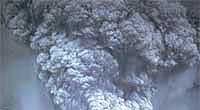
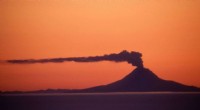
* Volcanic Activity: Volcanic rocks provide clues about past volcanic activity, including the type of eruption and the location of volcanoes.
3. Resources and Hazards:
* Mineral Deposits: Understanding the geological history of an area can help locate valuable mineral deposits.
* Oil and Gas Reservoirs: Rock layers can indicate the presence of oil and gas reserves.
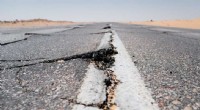
* Natural Hazards: Geologists can identify areas at risk from earthquakes, landslides, volcanic eruptions, and other geological hazards.
4. Other Applications:
* Archaeology: Rock layers can provide context for archaeological discoveries, helping to date and understand ancient civilizations.
* Engineering: Geologists help engineers understand the properties of rocks and soils to ensure the stability of buildings, bridges, and other structures.
In conclusion, studying rock layers provides a window into the Earth's past and helps us understand the processes that have shaped our planet. This knowledge is crucial for numerous applications, including resource exploration, hazard mitigation, and understanding the history of life on Earth.