Weathering:
* Physical weathering:
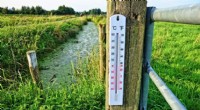
* Temperature changes: Freezing and thawing of water, expansion and contraction due to heat, and the effects of wildfires can break down rocks.
* Abrasion: The grinding and scraping of rocks against each other, often caused by wind, water, or ice.
* Pressure release: When overlying rock is removed, the underlying rock expands and fractures.
* Chemical weathering:
* Oxidation: The reaction of minerals with oxygen, often resulting in the formation of rust.
* Carbonation: The reaction of carbon dioxide with water, forming carbonic acid which can dissolve minerals.
* Hydrolysis: The reaction of water with minerals, breaking them down into different compounds.
* Biological weathering: The breakdown of rocks by living organisms, such as plant roots, burrowing animals, and bacteria.
Erosion:
* Wind: Wind can pick up and transport loose particles, including sand, silt, and dust.
* Water: Rain, rivers, and waves can erode rocks and soil, transporting them downstream or out to sea.
* Ice: Glaciers can carve out valleys, transport large boulders, and deposit sediment.
* Gravity: Gravity pulls rocks and soil downhill, causing landslides, rockfalls, and other forms of erosion.
Other factors:
* Human activities: Construction, mining, agriculture, and deforestation can accelerate weathering and erosion.
* Climate: Areas with high precipitation, temperature swings, or wind speeds experience faster weathering and erosion.
* Rock type: Some rock types are more resistant to weathering than others.
It's important to note that these factors often work together in complex ways. For example, physical weathering can create cracks in rocks that make them more susceptible to chemical weathering.