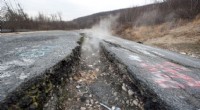
Erosion:
* Physical Weathering: Water acts as a powerful agent of physical weathering. The force of moving water can:
* Abrasion: Carry sediment, like sand and gravel, which acts like sandpaper, grinding down and smoothing rock surfaces.
* Hydraulic Action: Force its way into cracks and crevices in rocks, widening them and eventually breaking the rock apart.
* Frost Wedging: Water freezes in cracks, expands, and exerts pressure, causing rocks to break.
* Chemical Weathering: Water can also dissolve certain minerals in rocks, leading to:
* Dissolution: The breakdown of minerals in rocks, like limestone, by acidic rainwater. This process forms caves and sinkholes.
* Hydrolysis: Water reacts with minerals in rocks, changing their chemical composition and making them more prone to weathering.
Deposition:
* Sediment Transport: Eroded material is carried away by water and eventually deposited in new locations.
* Formation of Sediments: The transported material, ranging from fine silt to large boulders, settles down, forming layers of sediment.
* Rock Formation: Over long periods, these layers of sediment are compacted and cemented together, forming sedimentary rocks like sandstone, shale, and limestone.
Impact on Rock:
* Shape: Erosion by water can shape rocks into unique forms, like rounded pebbles, smooth riverbeds, or jagged cliffs.
* Size: Erosion wears down rocks, making them smaller and smaller.
* Composition: Chemical weathering can alter the composition of rocks by dissolving minerals, changing the rock's chemical structure.
* Landscape: Erosion and deposition are responsible for shaping the Earth's landscapes, creating valleys, canyons, and deltas.
Examples:
* Grand Canyon: The Colorado River has carved the Grand Canyon over millions of years through erosion.
* Sandstone Cliffs: Windblown sand, deposited and compacted over time, forms sandstone cliffs.
* Delta Formation: A river's sediment deposition at its mouth creates a delta.
Overall, water erosion and deposition are powerful forces that continuously reshape the Earth's surface and the rocks that make it up. These processes are fundamental to the rock cycle, creating new rocks and changing the landscape over time.