The Rock Cycle in a Nutshell
The rock cycle is a continuous process where rocks are transformed from one type to another over vast periods. It involves three main types of rocks:
* Igneous Rocks: Formed from the cooling and solidification of molten rock (magma or lava).
* Sedimentary Rocks: Formed from the accumulation and cementation of sediments (fragments of other rocks, minerals, or organic matter).
* Metamorphic Rocks: Formed when existing rocks (igneous, sedimentary, or other metamorphic rocks) are transformed by heat, pressure, or chemical reactions.
Weathering, Erosion, and Transportation: The Breakdown
1. Weathering: This is the initial step in breaking down existing rocks. Think of it as the rock's "wear and tear." It happens in three ways:
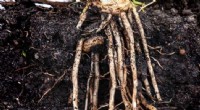
* Physical Weathering: Rocks are broken down into smaller pieces by physical forces like freezing/thawing, abrasion (rocks rubbing against each other), or plant roots growing.
* Chemical Weathering: Chemical reactions break down the rock's minerals, often causing changes in their composition. Examples include acid rain dissolving limestone or oxidation (rusting).
* Biological Weathering: Living organisms contribute to weathering. For instance, plant roots can pry apart rocks, or burrowing animals can expose rock surfaces to weathering.
2. Erosion: Once weathering weakens the rocks, erosion carries away the broken-down fragments. Think of it as the rock "moving away." Common erosion agents include:
* Wind: Picks up and transports loose sediments, especially in deserts.
* Water: Rivers, streams, ocean waves, and rain all carry away eroded material.
* Ice: Glaciers can carve out valleys and transport massive boulders.
* Gravity: Landslides and rockfalls move rocks downhill.
3. Transportation: This is the process of moving the eroded material from one location to another. It's often carried out by the same agents that caused erosion:
* Wind: Wind can transport dust and sand for long distances, creating dunes and loess deposits.
* Water: Rivers and streams carry sediments downstream, while ocean currents transport sediments across vast areas.
* Ice: Glaciers can transport large boulders and carve out landscapes as they move.
* Gravity: Gravity plays a role in the downslope movement of sediments during landslides and rockfalls.
The Connection to the Rock Cycle
* Sedimentary Rock Formation: Weathering and erosion provide the raw materials (sediments) for sedimentary rock formation. These sediments are transported by wind, water, or ice, eventually accumulating in layers. Over time, the layers are compressed and cemented together, forming sedimentary rocks.
* Metamorphic Rock Formation: Eroded material, especially sediments deposited in deep layers, can experience intense heat and pressure. This can lead to the transformation of existing sedimentary or igneous rocks into metamorphic rocks.
* Igneous Rock Formation: The rock cycle is circular. Metamorphic rocks, sedimentary rocks, or even existing igneous rocks can be melted back into magma deep within the Earth. When this magma cools and solidifies, it forms new igneous rocks.
In summary:
Weathering, erosion, and transportation are fundamental processes that break down rocks, move them around, and contribute to the formation of new rocks, completing the rock cycle.