1. Erosion:
* Weathering: Wind, rain, ice, and temperature changes break down the rock of mountains into smaller pieces.
* Transportation: The eroded material is then carried away by rivers, glaciers, or wind.
2. Tectonic Activity:
* Continental Drift: The Earth's tectonic plates are constantly moving. When plates collide, mountains are formed, but eventually, the plates may move apart, leading to the erosion of the mountains.
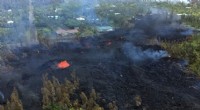
* Volcanic Activity: Mountains formed by volcanoes can collapse or erode after the volcano is no longer active.
3. Glaciation:
* Glaciers: Glaciers carve out valleys and erode mountain peaks, significantly changing their shape over time.
4. Time:
* Millions of Years: The process of erosion and tectonic activity takes millions of years, so mountains don't "disappear" overnight. However, over eons, mountains can be reduced to hills or even flat plains.
Example:
* The Appalachian Mountains in the eastern United States are very old and have been significantly eroded over millions of years. They are much lower and less dramatic than they were in the past.
Summary:
While mountains don't simply vanish, they are constantly changing due to erosion, tectonic activity, and other geological forces. Over immense periods, mountains can be worn down and transformed into less imposing landforms.