* Earth's Layers: The Earth's structure is composed of layers: crust, mantle, outer core, and inner core. The crust is the outermost layer and ranges in thickness from 5 to 70 kilometers. The mantle lies below the crust and extends to about 2,900 kilometers.
* The Mantle: The mantle is primarily composed of solid rock, but it behaves like a very viscous fluid over geological timescales. It is extremely hot, and the pressure is immense.
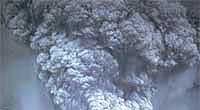
* Magma and Igneous Rocks: The intense heat within the mantle melts some rock, forming magma. This magma can rise towards the surface, sometimes erupting as volcanoes. When magma cools and solidifies, it forms igneous rocks.
* Depth and Igneous Rocks: At 10 kilometers, you'd likely be within the uppermost part of the mantle, where magma is present. This means igneous rocks are likely to be the dominant type found at this depth.
However, it's important to note:
* Regional Variations: The specific type of igneous rock found at 10 kilometers will depend on the location and the geological history of that area.
* Other Possibilities: There's a chance, albeit less likely, that you could find metamorphic rocks at this depth. These rocks are formed when existing rocks are transformed by intense heat and pressure.
To truly know what you'd find at 10 kilometers, you'd need to consider the specific geological context of the location you're interested in.