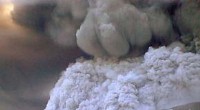
* Formation: Stone Mountain is a granite dome, formed millions of years ago by volcanic activity and subsequent cooling and crystallization of magma. This process is not erosion.
* Erosion's Role: Over time, the surrounding softer rocks eroded away, leaving the harder granite dome exposed. This is differential erosion, where different rock types erode at different rates.
* Ongoing Erosion: Stone Mountain itself continues to erode slowly due to weathering (rain, wind, temperature changes) and mechanical processes (ice wedging). This is the ongoing erosion that shapes the mountain's surface.
In conclusion, Stone Mountain is a product of both volcanic activity and erosion. While it's not an example of erosion in action, it demonstrates the significant role erosion plays in shaping landscapes over time.