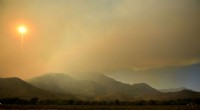
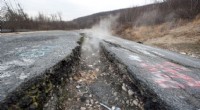
* Surface: The surface temperature of the crust is obviously dependent on the weather and climate, ranging from below freezing to well over 50°C in deserts.
* Shallow Crust (up to 10 km deep): The temperature increases with depth at a rate called the geothermal gradient. This rate is around 25-30°C per kilometer. So, at a depth of 10 kilometers, the temperature could be around 250-300°C.
* Deeper Crust (10-30 km): The geothermal gradient can vary depending on the location and geological features. In some regions, it can be higher, leading to temperatures exceeding 500°C at depths of 30 kilometers.
* Base of the Crust (Moho discontinuity): The boundary between the crust and the mantle, called the Moho, is generally thought to be around 30-40 kilometers deep. At this depth, temperatures are estimated to be around 650-900°C.
Important Note: These are just general estimates. The actual temperature range of the crust at any given location can vary significantly due to factors like:
* Volcanic activity: Areas near active volcanoes can have much higher temperatures than average.
* Plate tectonics: The movement of tectonic plates can create areas of higher or lower temperatures.
* Hydrothermal vents: These vents release hot water from the crust, causing local temperature increases.
Overall, the temperature range of the Earth's crust is vast and can fluctuate significantly based on various factors.