1. Removal of Vegetation:
* Deforestation: Mining often involves clearing large areas of vegetation, exposing the soil to the elements. This removes the protective barrier provided by plant roots, which helps hold the soil in place and absorb rainwater.
* Disturbed Soil: Mining activities disrupt the natural soil structure and composition, making it more susceptible to erosion.
2. Alteration of Topography:
* Excavations and Dumps: Creating mineshafts, open pits, and waste dumps changes the land's topography, altering drainage patterns and increasing runoff. This can lead to increased erosion, especially during heavy rainfall.
* Slope Instability: Removing overburden and creating steep slopes makes the land prone to landslides and other forms of mass wasting.
3. Water Management:
* Water Diversion: Mining activities often involve diverting water courses, altering natural drainage systems, and creating new channels. This can increase water flow velocity and erosive power.
* Sedimentation: Mining operations can release large amounts of sediment into waterways, polluting water sources and smothering aquatic habitats. Sedimentation also increases erosion downstream.
4. Chemical Impacts:
* Acid Mine Drainage (AMD): Mining can expose sulfide minerals, which can react with water and oxygen to produce acidic water. AMD can dissolve soil particles, increasing erosion and degrading water quality.
* Pollution: Mining can release heavy metals and other pollutants into the environment, further impacting soil stability and erosion.
Consequences of Mining-Induced Erosion:
* Loss of Soil Fertility: Erosion removes topsoil, which is vital for plant growth and agricultural production.
* Water Quality Degradation: Sedimentation from erosion can clog waterways, impair aquatic life, and make water unfit for drinking or other uses.
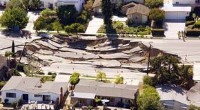
* Landslides and Subsidence: Erosion can lead to landslides, sinkholes, and land subsidence, causing damage to infrastructure and posing risks to human safety.
* Habitat Loss and Fragmentation: Erosion can destroy habitats and fragment ecosystems, impacting biodiversity.
Mitigation Measures:
* Revegetation: Planting native species can help stabilize slopes, reduce runoff, and restore soil fertility.
* Contour Mining: Minimizing the disturbance of natural slopes and using contour mining techniques can reduce erosion.
* Water Management Systems: Implementing effective water management systems, such as sediment ponds and drainage channels, can mitigate erosion and pollution.
* Reclamation and Restoration: Reclaiming mined areas and restoring them to a productive state is crucial for minimizing long-term environmental impacts.
In conclusion, mining activities can significantly exacerbate erosion, leading to various environmental and economic consequences. Implementing appropriate mitigation measures is essential to minimize the negative impacts and ensure sustainable mining practices.