1. Parent Material:
* Rock Type: The type of rock that weathers to form soil determines its initial mineral composition and texture. For example, soils derived from sandstone are often sandy and porous, making them prone to erosion. Clay-rich soils from shale can be prone to compaction and waterlogging.
* Rock Weathering: The rate of weathering affects soil development. Fast weathering leads to thinner, less developed soils, while slow weathering creates deeper, more stable soils.
2. Topography:
* Slope: Steep slopes are more susceptible to erosion, leading to loss of topsoil and nutrients.
* Elevation: Higher elevations often have colder climates and thinner soils, making them more vulnerable to erosion and nutrient depletion.
3. Climate:
* Rainfall: Excessive rainfall can lead to leaching of nutrients and soil erosion. Arid climates can result in salinization, a form of degradation where salts accumulate in the soil.
* Temperature: Extreme temperatures can also contribute to soil degradation. For example, hot temperatures can accelerate the breakdown of organic matter, reducing soil fertility.
4. Geological Processes:
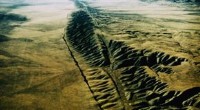
* Earthquakes: Earthquakes can cause landslides and soil liquefaction, significantly damaging soil structure and fertility.
* Volcanic Eruptions: Volcanic ash can enrich soils in the short term, but long-term effects can include nutrient imbalances and soil acidity.
In summary, geology sets the initial conditions for soil development, influencing:
* Soil texture and structure: Which affects water holding capacity, drainage, and susceptibility to erosion.
* Mineral composition: Which determines nutrient content and potential for leaching.
* Soil depth and stability: Which impacts overall soil health and fertility.
Therefore, while geology doesn't directly cause soil degradation, it significantly influences a soil's vulnerability to degradation processes caused by human activities like:
* Overgrazing: Compacts the soil, leading to erosion and reduced water infiltration.
* Deforestation: Removes vegetation that holds soil in place, exposing it to erosion.
* Inappropriate agricultural practices: Can lead to soil compaction, nutrient depletion, and salinization.
Understanding the geological basis of soil allows us to better predict and prevent soil degradation, ultimately ensuring the sustainability of our land resources.