Weathering is the process of breaking down rocks, soil, and minerals through direct contact with the Earth's atmosphere, water, and biological organisms. It happens in place.
* Physical weathering: This involves mechanical forces that break rocks into smaller pieces without changing their chemical composition. Examples include:
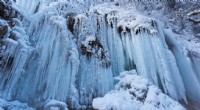
* Frost wedging: Water freezes in cracks, expands, and wedges the rock apart.
* Thermal stress: Repeated heating and cooling can cause rocks to expand and contract, eventually breaking.
* Plant roots: Growing roots can exert pressure on rock, breaking it.
* Chemical weathering: This involves chemical reactions that alter the composition of rocks, making them weaker and more likely to break down. Examples include:
* Acid rain: Acidic rain dissolves some minerals in rocks.
* Oxidation: Iron in rocks reacts with oxygen, forming rust and weakening the rock.
* Hydrolysis: Water reacts with minerals in rocks, changing their composition.
Erosion is the process of moving weathered material from one location to another. It happens after weathering has occurred.
* Wind erosion: Wind carries away loose sediment, especially in arid regions.
* Water erosion: Rivers, streams, and ocean currents carry away weathered material, carving valleys and canyons.
* Ice erosion: Glaciers grind away rock and soil, transporting it to new locations.
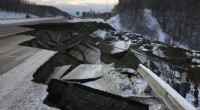
* Gravity erosion: Gravity causes mass wasting events like landslides and rockfalls.
In summary:
* Weathering breaks down rocks into smaller pieces.
* Erosion transports those weathered pieces to new locations.
Both processes work together to change the Earth's surface over time.