Here are some specific characteristics of the Thar Desert's soil:
* Sandy Texture: The soils are predominantly sandy, with a high percentage of quartz and other minerals. This sandy texture contributes to poor water retention, leading to low levels of organic matter and nutrients.
* Low Organic Matter: Due to the arid climate, the soil has limited vegetation and microbial activity. This results in low levels of organic matter, which is essential for soil fertility.
* Salinity: In some areas, the soil can be saline due to evaporation and the accumulation of salts. This salinity makes it difficult for plants to thrive.
* Low Nutrient Content: The lack of organic matter and poor water retention contribute to low nutrient content in the soil.
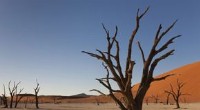
* Reddish-Brown Color: The soil often has a reddish-brown color due to the presence of iron oxides.
However, the soil type can vary within the Thar Desert, depending on specific locations and conditions.
For example, some areas might have:
* Loamy Soil: With a higher proportion of clay and silt, these areas can retain water better than purely sandy soils.
* Calcareous Soil: Rich in calcium carbonate, these soils are typically found in areas where there has been significant geological activity.
Overall, the soil in the Thar Desert is a challenging environment for agriculture, with limited water availability, low nutrient content, and high salinity in some areas.