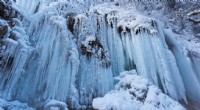
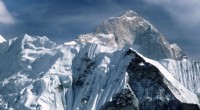
* Erosion: Glaciers are powerful erosive forces. As they move, they scrape, pluck, and abrade the underlying rock and soil. This process creates a range of sediment sizes, from fine silt to massive boulders.
* Weathering: Glaciers also contribute to weathering, breaking down rocks through freezing and thawing cycles. This process adds to the debris carried by the glacier.
* Deposition: As glaciers melt and retreat, they deposit the material they have been carrying. This material is called glacial drift, and it can be categorized into two main types:
* Till: This is unsorted, unstratified material directly deposited by the glacier. It can range from clay to boulders.
* Outwash: This is sorted and stratified material deposited by meltwater streams flowing from the glacier. It's typically finer-grained than till, and often forms sand and gravel deposits.
So, in summary:
Glacial drift originates from the rock and soil that glaciers erode, weather, and transport. It's then deposited as the glacier melts, creating various landforms and geological features.