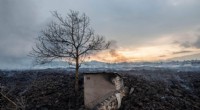
1. Volcanic Mountains: Formed by the accumulation of lava and ash from volcanic eruptions. Examples include Mount Fuji (Japan), Mount Vesuvius (Italy), and Mauna Kea (Hawaii).
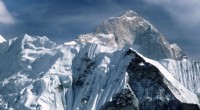
2. Fold Mountains: Created when tectonic plates collide and compress rock layers, causing them to fold and buckle. Examples include the Himalayas, the Alps, and the Andes.
3. Block Mountains: Formed by the uplift of large blocks of land along faults. These blocks are often tilted, resulting in a steep, cliff-like side and a gentle slope on the other. Examples include the Sierra Nevada mountains (USA) and the Harz Mountains (Germany).
4. Dome Mountains: Created when magma pushes up from below the Earth's surface without actually erupting. This pressure causes the overlying rock to bulge upward, forming a dome-shaped mountain. Examples include the Black Hills (USA) and the Adirondack Mountains (USA).
5. Fault-Block Mountains: Similar to block mountains, but instead of a single uplift, they are formed by multiple blocks being raised or lowered along faults. This creates a series of parallel ranges and valleys. Examples include the Basin and Range Province (USA).
It's important to note that these are just some of the main types of mountains, and there are many other categories and subcategories.