Here's a bit more detail:
* Crust: The Earth's crust is a thin, rocky outer layer that is divided into two types: oceanic crust (found under the oceans) and continental crust (found under the continents). Mountains are formed primarily within the continental crust.
* Mantle: The mantle is the layer beneath the crust and is much thicker. While mountains aren't formed *in* the mantle, the movement of the mantle is what drives the processes that create mountains.
* Core: The Earth's core is a hot, dense sphere at the center of the planet. It's not directly involved in the formation of mountains.
Mountain Formation: Mountains are formed through various geological processes, all of which are driven by the movement of the Earth's tectonic plates. Here are a few examples:
* Folding: When tectonic plates collide, the rock layers can be compressed and folded, forming mountain ranges like the Himalayas.
* Faulting: When plates slide past each other or move apart, the movement can cause breaks in the Earth's crust called faults. These faults can create mountains like the Sierra Nevada.
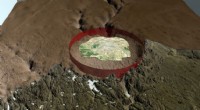
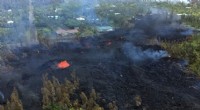
* Volcanism: Volcanoes can also create mountains, as lava flows build up over time.