1. Erosion and Release:
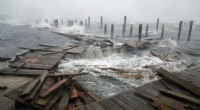
* Weathering: Rocks and soil contain phosphorus in various forms, often locked within minerals. Weathering processes like rain, wind, and freezing/thawing break down these rocks and minerals, releasing phosphorus.
* Soil Erosion: Erosion by wind, water, and human activities (like farming) can carry away soil particles containing phosphorus.
2. Transportation:
* Rivers and Streams: Eroded phosphorus enters rivers and streams, flowing downstream.
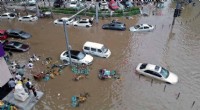
* Runoff: Rainwater can carry phosphorus from fields, lawns, and urban areas into waterways.
* Groundwater: Phosphorus can seep into groundwater, potentially contaminating drinking water sources.
3. Fate in Water Bodies:
* Lakes and Oceans: In lakes and oceans, phosphorus can become part of the aquatic ecosystem.
* Algae Blooms: Phosphorus is a key nutrient for algae growth. Excess phosphorus can lead to algal blooms, which can harm aquatic life, deplete oxygen, and affect water quality.
* Sedimentation: Phosphorus can settle to the bottom of water bodies, forming sediment.
* Uptake by Organisms: Plants and animals in aquatic ecosystems absorb phosphorus for their growth and development.
4. Cycling in the Environment:
* Biological Cycling: Phosphorus moves through different organisms in the food web. When organisms die and decompose, phosphorus is released back into the environment.
* Geological Cycling: Over very long time scales, phosphorus can be incorporated into new rocks and minerals, completing the geological cycle.
Key Impacts:
* Eutrophication: Excess phosphorus in water bodies can lead to eutrophication, a process where excessive plant and algae growth deplete oxygen levels, harming aquatic life.
* Water Quality: Phosphorus contamination can affect drinking water quality and make it unsafe for human consumption.
* Ecosystem Health: Changes in phosphorus levels can disrupt the balance of aquatic ecosystems.
Management Strategies:
* Reduce Runoff: Best management practices in agriculture, urban areas, and forestry can reduce phosphorus runoff into waterways.
* Phosphorus Removal: Water treatment plants can remove phosphorus from wastewater.
* Sustainable Agriculture: Practices like no-till farming and cover cropping can minimize soil erosion and phosphorus loss.
Understanding the fate of phosphorus during erosion is crucial for managing water quality and protecting the environment.