1. Weathering and Erosion: The igneous rock is exposed at the Earth's surface. Weathering (breaking down the rock into smaller pieces) and erosion (moving those pieces) are the primary forces.
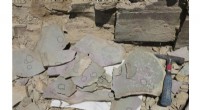
* Weathering: Rain, wind, ice, temperature changes, and chemical reactions break down the igneous rock.
* Erosion: Wind, water, or ice transport the weathered fragments.
2. Transportation and Deposition: The eroded fragments are carried away by wind, water, or ice and eventually settle in a new location. This can be a riverbed, a lake bottom, a beach, or a desert.
3. Compaction and Cementation: The sediment layers accumulate, and the weight of the overlying layers compresses the sediment, squeezing out water and air. Mineral-rich groundwater seeps through the layers and acts as a glue, cementing the sediment particles together.
4. Lithification: The final stage of compaction and cementation turns the loose sediment into solid rock. This solidified sedimentary rock is now distinct from the original igneous rock.
Example:
Imagine a volcanic eruption forming a lava flow. Over time, the lava cools and solidifies into an igneous rock like basalt. Weathering and erosion break the basalt into smaller pieces. These fragments are carried by a river and deposited in a lake bed. Over millions of years, the sediments are buried, compacted, and cemented to form sandstone, a sedimentary rock.