How it works:
* Weathering: Erosion often starts with weathering, the breaking down of rocks and other materials into smaller pieces.
* Transport: Once material is broken down, it's transported by:
* Wind: Carries dust, sand, and small particles, often creating sand dunes.
* Water: Rivers, streams, waves, and rain all carry away sediment, carving out canyons and valleys.
* Ice: Glaciers scrape and grind the earth, creating U-shaped valleys and leaving behind glacial deposits.
* Deposition: Eventually, eroded material is deposited in a new location, creating features like beaches, deltas, and sandbars.
Factors that influence erosion:
* Climate: Rainfall, wind patterns, and temperature affect the rate of erosion.
* Topography: The shape of the land influences how water flows and how easily wind can pick up sediment.
* Vegetation: Plants help to stabilize the soil, reducing erosion.
* Human activities: Deforestation, agriculture, construction, and mining can accelerate erosion.
Impact of erosion:
* Land degradation: Erosion can make land less fertile and unusable for farming.
* Water pollution: Sediment from erosion can cloud water, harming aquatic life.
* Coastal erosion: Erosion can cause beaches to shrink and threaten coastal communities.
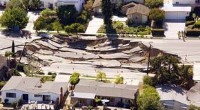
* Damage to infrastructure: Erosion can damage roads, bridges, and buildings.
In essence, erosion is a natural process that shapes the Earth's surface, but human activities can significantly accelerate it.