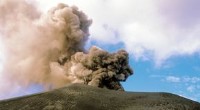
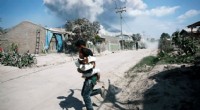
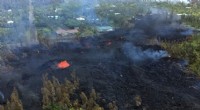
* Lithosphere: This is the rigid, outermost layer of the Earth, including the crust and the uppermost part of the mantle. It's broken into tectonic plates that move and interact, causing earthquakes and volcanic activity.
* Asthenosphere: Located below the lithosphere, this layer is partially molten and behaves like a viscous fluid over long periods. The asthenosphere is crucial for plate tectonics because it allows the lithospheric plates to move.
Beyond these two main sections, the upper mantle can be further categorized based on mineral composition and physical properties:
* Uppermost Mantle: This is the part of the mantle that directly underlies the crust. It's mostly composed of peridotite, a rock rich in olivine and pyroxene.
* Transition Zone: Located between the uppermost mantle and the lower mantle, this zone experiences a significant change in mineral composition due to increasing pressure.
It's important to note that the boundaries between these sections are not sharply defined and are subject to some debate among geologists.