1. Formation:
* Land volcanoes: Form when tectonic plates collide, causing one to slide under the other (subduction). Molten rock (magma) rises to the surface through cracks and weak points, erupting as lava.
* Underwater volcanoes: Form primarily along mid-ocean ridges where tectonic plates pull apart. Magma rises to fill the gap, erupting as lava that cools and solidifies, creating new seafloor.
2. Eruption Style:
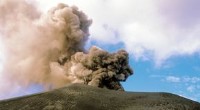
* Land volcanoes: Eruptions are more explosive due to the buildup of pressure from trapped gases. They can produce lava flows, ash plumes, and pyroclastic flows (fast-moving, deadly mixtures of hot gas and rock).
* Underwater volcanoes: Eruptions are generally more effusive, meaning the lava flows more slowly and steadily. This is because the water pressure suppresses the release of gases.
3. Impact:
* Land volcanoes: Can cause significant damage to surrounding areas, including destruction of property, loss of life, and disruption of air travel. Eruptions can also enrich the soil with nutrients, leading to increased plant growth.
* Underwater volcanoes: Can create new islands (like Hawaii), contribute to the growth of seamounts (underwater mountains), and release hydrothermal vents that support unique ecosystems. Some underwater eruptions can cause tsunamis if they are large enough.
4. Monitoring:
* Land volcanoes: Easier to monitor using visual observation, seismic sensors, and gas emissions.
* Underwater volcanoes: More difficult to monitor due to the lack of direct visual observation. Scientists rely on sonar, remote sensing, and analysis of hydrothermal vent fluids.
5. Other Differences:
* Composition: Underwater volcanoes tend to have more mafic (basaltic) lavas, while land volcanoes can have a wider range of compositions.
* Visibility: Land volcanoes are visible, while underwater volcanoes are mostly hidden beneath the waves.
Here's a table summarizing the key differences:
| Feature | Land Volcanoes | Underwater Volcanoes |
|---------------------|--------------------------------------|--------------------------------------|
| Formation | Subduction zones | Mid-ocean ridges, hot spots |
| Eruption Style | Explosive, effusive | Mostly effusive |
| Impact | Damage to surrounding areas, soil enrichment | Create new islands, seamounts, hydrothermal vents |
| Monitoring | Easier (visual, seismic, gas) | More difficult (sonar, remote sensing) |
It's important to note that there are exceptions to these general trends, and there can be considerable variation within both types of volcanoes.