Here's why:
* Water in all forms: Rain, rivers, oceans, even glaciers – all wear down and carry away soil and rock.
* Powerful force: Water's sheer volume and force can carve canyons, shape coastlines, and move vast amounts of sediment.
* Constant action: Even seemingly gentle rain can cause erosion over time, and even small streams can carry away significant amounts of soil.
Other significant causes of erosion:
* Wind: Especially in arid regions, wind can pick up and carry away loose soil and sand, creating sand dunes and dust storms.
* Gravity: Landslides, rockfalls, and soil creep are all driven by gravity, causing significant erosion and landform changes.
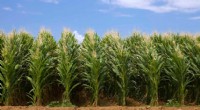
* Human activities: Deforestation, agriculture, construction, and mining can all accelerate erosion by removing vegetation, exposing soil, and altering natural drainage patterns.
Ultimately, the biggest cause of erosion depends on the specific location and its environmental conditions. However, water's pervasive influence on the Earth's surface makes it a key driver of erosion processes.