1. Igneous Rocks:
* Formed from the cooling and solidification of molten rock (magma or lava).
* Intrusive Igneous Rocks: Cool slowly beneath the Earth's surface, resulting in large crystals (e.g., granite, gabbro).
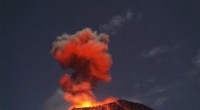
* Extrusive Igneous Rocks: Cool quickly on the Earth's surface, resulting in smaller crystals or no visible crystals (e.g., basalt, obsidian, pumice).
2. Sedimentary Rocks:
* Formed from the accumulation and cementation of sediments (rock fragments, mineral grains, organic matter).
* Clastic Sedimentary Rocks: Made of fragments of other rocks (e.g., sandstone, shale, conglomerate).
* Chemical Sedimentary Rocks: Formed by precipitation from water (e.g., limestone, rock salt, gypsum).
* Organic Sedimentary Rocks: Formed from the remains of living organisms (e.g., coal, oil shale).
3. Metamorphic Rocks:
* Formed when existing rocks (igneous, sedimentary, or other metamorphic rocks) are transformed by heat, pressure, or chemical reactions.
* Foliated Metamorphic Rocks: Have a layered or banded appearance due to the alignment of minerals (e.g., slate, schist, gneiss).
* Non-foliated Metamorphic Rocks: Do not have a layered appearance (e.g., marble, quartzite).
Other types of rocks:
* Meteorites: Rocks from space that have fallen to Earth.
* Tektites: Glassy objects formed by the impact of meteorites.
* Volcanic Glass: Naturally occurring glass formed from rapidly cooled lava.
This list only covers the most common rock types. Within each category, there are countless variations based on mineral composition, texture, and other factors.