1. Density Differences:
* Magma is less dense than the surrounding solid rock. This difference in density creates a buoyant force that pushes the magma upward. Imagine a hot air balloon rising: the heated air is less dense than the cooler air surrounding it, causing it to float. The same principle applies to magma.
* The process of partial melting: When rocks melt, the minerals with the lowest melting points melt first. This creates a less dense, molten mixture that is more buoyant than the surrounding solid rock.
2. Pressure Differences:
* Pressure increases with depth. The weight of the overlying rock creates immense pressure at depth. This pressure keeps the rock solid, even at temperatures well above the melting point.
* Magma chambers: When magma accumulates, it creates a high-pressure zone. This pressure gradient drives the magma upward, seeking paths of lower pressure.
3. Plate Tectonics:
* Divergent plate boundaries: Where tectonic plates pull apart, magma rises to fill the gap. This is why volcanic activity is common along mid-ocean ridges and rift zones.
* Convergent plate boundaries: At subduction zones, where one plate slides under another, the descending plate melts. This molten rock, less dense than the surrounding mantle, rises towards the surface, forming volcanoes.
* Hotspots: These are areas where plumes of hot magma rise from deep within the Earth's mantle, independent of plate boundaries. These plumes can pierce through the crust, causing volcanic activity.
4. Other Factors:
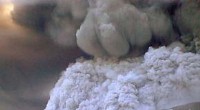
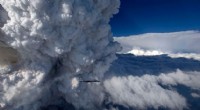
* Volcanic eruptions: The release of pressure during eruptions can further draw magma upward, creating a cycle of magma rise and eruption.
* Volatiles: Dissolved gases like water vapor and carbon dioxide within magma increase its buoyancy and contribute to the upward flow.
In summary, the combination of density differences, pressure differences, and the dynamics of plate tectonics drives magma upward towards the Earth's surface, creating volcanoes and other geological features.