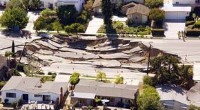
1. Quarrying and Mining:
* Direct Removal: Granite is a highly sought-after material for construction and other industries. Quarrying involves extracting large blocks of granite, directly altering the landscape and leaving behind scars, pits, and piles of waste rock.
* Dust and Pollution: Quarrying operations generate dust, noise, and potentially harmful pollutants, affecting air quality and surrounding ecosystems.
* Loss of Habitat: Granite outcrops and formations provide unique habitats for various flora and fauna. Quarrying destroys these habitats, leading to biodiversity loss.
2. Infrastructure Development:
* Road Construction: Road building through granite areas often involves blasting and excavation, disrupting natural formations and causing soil erosion.
* Dam Construction: Large-scale dam projects can alter water flow patterns and flood granite landscapes, impacting ecosystems and affecting the weathering and erosion processes of the rock.
3. Tourism and Recreation:
* Footpaths and Trails: While beneficial for recreation, poorly maintained trails can lead to soil compaction, erosion, and damage to delicate granite features.
* Climbing and Mountaineering: Rock climbing and mountaineering activities can cause weathering and abrasion of granite surfaces, especially if done without proper ethics and safety measures.
4. Land Use Changes:
* Agriculture: Granite landscapes are often converted for agriculture, leading to soil erosion and nutrient depletion, potentially impacting the stability of granite formations.
* Urbanization: Expansion of urban areas into granite regions can cause habitat fragmentation, alteration of drainage patterns, and increased pollution, affecting the weathering and erosion processes of the rock.
5. Climate Change:
* Increased Weathering: Climate change, with its hotter temperatures and increased rainfall, can accelerate the weathering process of granite, leading to changes in the landscape.
* Sea Level Rise: Rising sea levels can erode coastal granite formations, altering the coastline and impacting coastal ecosystems.
Consequences of Modification:
* Biodiversity Loss: Loss of habitats, fragmentation, and pollution can significantly reduce biodiversity in granite landscapes.
* Erosion and Landslides: Alterations in land use, quarrying, and infrastructure development can increase the risk of erosion and landslides, causing instability and potential hazards.
* Water Quality Impacts: Quarrying, mining, and other industrial activities can release pollutants that affect water quality, impacting ecosystems and human health.
* Aesthetic Degradation: Modification of granite landscapes can negatively impact the natural beauty and scenic value of the area, reducing its tourism potential.
Mitigation and Management:
* Sustainable Quarrying Practices: Implementing responsible quarrying techniques, minimizing waste generation, and rehabilitating quarried areas can reduce the environmental impact.
* Sustainable Tourism Practices: Promoting eco-tourism and responsible recreational activities, ensuring proper trail maintenance, and educating visitors about the importance of conservation can help preserve granite landscapes.
* Land-Use Planning: Implementing comprehensive land-use plans that consider the unique characteristics of granite landscapes and prioritize conservation can mitigate human impacts.
* Climate Change Adaptation: Developing strategies to adapt to climate change effects, such as sea level rise and increased weathering, can help minimize the impact on granite landforms.
Understanding the impacts of human activities on granite landscapes is essential for responsible management and conservation efforts. By implementing sustainable practices, mitigating negative impacts, and promoting awareness, we can ensure these unique geological features continue to be enjoyed for generations to come.