1. Parent Material:
* Bedrock: The underlying rock type influences the soil's mineral composition. Igneous rocks (granite, basalt) produce different soils than sedimentary rocks (limestone, sandstone) or metamorphic rocks (marble, slate).
* Glacial Deposits: In areas with glacial activity, the soil may contain a mix of rock fragments, sand, silt, and clay transported by glaciers.
2. Climate:
* Temperature: High temperatures can accelerate weathering and decomposition, leading to deeper soils with higher organic content. Cold temperatures slow down these processes, resulting in thinner soils.
* Precipitation: High rainfall can leach nutrients from the soil, making it more acidic. Dry climates often have soils that are rich in minerals.
3. Topography:
* Slope: Steep slopes have poor drainage and often have thinner soils due to erosion. Gentle slopes allow for better water retention and deeper soil development.
* Elevation: Higher elevations experience colder temperatures and more wind, which can affect soil development.
4. Vegetation:
* Type of plants: Different plant communities contribute different types of organic matter to the soil, influencing its structure, fertility, and pH.
* Root systems: Deep root systems can help aerate the soil and improve drainage. Shallow root systems may contribute to compaction.
5. Time:
* Soil Age: Soil formation is a slow process. Younger soils may have less developed profiles and lower organic matter content compared to older soils.
6. Human Activity:
* Agriculture: Farming practices like tilling and fertilization can significantly alter soil composition and structure.
* Urbanization: Construction and development can compact soils and reduce their fertility.
Examples of Soil Diversity:
* Tropical Rainforest: Deep, red soils rich in organic matter due to abundant rainfall and high temperatures.
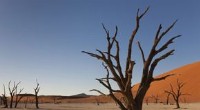
* Desert: Thin, sandy soils with low organic matter due to low precipitation and high temperatures.
* Temperate Deciduous Forest: Loamy soils with good drainage, moderate organic matter content, and a variety of minerals.
* Tundra: Shallow, permafrost-affected soils with low organic matter content due to cold temperatures and limited decomposition.
Understanding soil differences is crucial for:
* Agriculture: Selecting appropriate crops and fertilization practices.
* Environmental Management: Protecting soil resources from erosion and pollution.
* Construction: Identifying suitable building sites and mitigating potential soil-related issues.
Soil diversity reflects the complex interplay of natural factors and human activities. Recognizing these differences is essential for sustainable management of this vital resource.