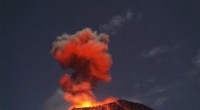
Igneous rocks, born from the fiery depths of the Earth, are classified based on how they solidify from molten magma. The key difference lies in the location of their formation:
1. Intrusive Igneous Rocks:
* Born within the Earth: These rocks form when magma cools and solidifies beneath the Earth's surface, slowly crystallizing in a process called crystallization.
* Slow Cooling: The surrounding rock acts as an insulator, slowing down the cooling process. This allows for larger crystals to form, resulting in a coarse-grained texture.
* Examples: Granite, Gabbro, Diorite
2. Extrusive Igneous Rocks:
* Born from the Earth: These rocks form when lava erupts onto the Earth's surface, rapidly cooling and solidifying.
* Fast Cooling: The exposure to air or water accelerates the cooling process, resulting in smaller crystals or even a glassy texture.
* Examples: Basalt, Rhyolite, Obsidian
A Visual Summary:
| Feature | Intrusive Igneous Rocks | Extrusive Igneous Rocks |
|---|---|---|
| Location | Inside the Earth | On the Earth's surface |
| Cooling Rate | Slow | Fast |
| Crystal Size | Large (coarse-grained) | Small (fine-grained) or Glassy |
| Examples | Granite, Gabbro, Diorite | Basalt, Rhyolite, Obsidian |
Remember: The specific type of igneous rock formed depends on the composition of the magma/lava and the conditions during cooling.
Extra Information:
* Intrusive rocks can be exposed at the surface through erosion and uplift.
* The presence of large crystals in intrusive rocks can be used to determine the rate of cooling.
* Some extrusive rocks can contain larger crystals if the lava flow was slow-moving or cooled more gradually.
By understanding the differences between intrusive and extrusive igneous rocks, we can gain a deeper appreciation for the diverse and dynamic processes that shape our planet.