1. Direct Dating Methods:
* Ice Core Analysis: This involves drilling deep into the glacier and analyzing the ice layers. Each layer represents a year of snowfall, and scientists can date them by analyzing the trapped air bubbles, dust, and other impurities. This method can provide a very accurate age for the ice at the core, but it's limited to the depth of the core and doesn't tell you the age of the glacier itself.
* Radioactive Dating: Certain isotopes, such as carbon-14, decay at a known rate. Scientists can measure the amount of these isotopes in organic material (like wood or pollen) found within the glacier to estimate its age. This method is less precise than ice core analysis, but it can be used to date older ice and even the bedrock beneath the glacier.
2. Indirect Dating Methods:
* Glacial Landforms: Scientists study the features left behind by glaciers, such as moraines (piles of rock and debris), glacial valleys, and cirques (bowl-shaped depressions). By comparing these landforms to known geological events and using dating techniques on the rock and sediment, they can estimate the age of the glacier.
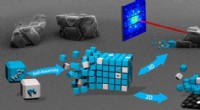
* Cosmogenic Nuclide Dating: This technique measures the concentration of cosmogenic nuclides (rare isotopes produced by cosmic rays) in rocks exposed at the surface. By analyzing the concentration, scientists can estimate the time since the rock was last buried by ice, providing an age for the glacier's advance or retreat.
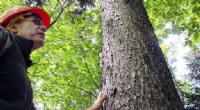
* Tree-Ring Dating: If trees grow near a glacier, scientists can use dendrochronology (tree-ring dating) to analyze the tree rings. By comparing the tree rings to known historical events or to other tree ring chronologies, they can estimate the age of the glacier's advance or retreat based on the trees' growth patterns.
3. Modeling and Simulation:
* Glacier Models: Scientists use computer models to simulate the behavior of glaciers over time, based on factors like climate, snowfall, and ice flow. These models can be used to estimate the age of a glacier by comparing the simulated glacier to the observed one.
Important Note: It's crucial to understand that these methods don't always provide a single definitive age for a glacier. Instead, they offer estimates based on different aspects of the glacier and its history. Scientists often combine multiple methods to gain a more complete understanding of a glacier's age and its evolution over time.