1. Plate Tectonics:
* Continental Drift: The Earth's crust is divided into massive plates that move slowly over time. This movement causes continents to shift, collide, and separate, forming mountain ranges, volcanoes, and ocean trenches.
* Subduction: When one plate slides under another, it causes melting of the mantle and volcanic activity. This process contributes to the creation of island arcs and volcanic mountain ranges.
* Seafloor Spreading: At mid-ocean ridges, magma rises from the mantle, creating new oceanic crust that pushes apart the existing plates. This process expands the ocean basins and plays a major role in the Earth's magnetic field.
2. Weathering and Erosion:
* Weathering: The breakdown of rocks, soil, and minerals through physical and chemical processes. Physical weathering involves forces like temperature changes, frost wedging, and abrasion, while chemical weathering includes reactions with water, acids, and oxygen.
* Erosion: The transportation of weathered material by wind, water, ice, and gravity. This process shapes landscapes by moving sediments from one location to another, creating canyons, valleys, and river deltas.
3. Volcanic Activity:
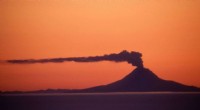
* Eruptions: When molten rock (magma) from the Earth's interior erupts onto the surface, it forms volcanic cones, lava flows, and ash deposits. This process adds new land to the Earth's surface and releases gases into the atmosphere.
* Hotspots: Areas where magma plumes rise from deep within the mantle, creating volcanic chains like the Hawaiian islands.
4. Glaciers:
* Ice Flow: Moving ice sheets carve out valleys, erode mountains, and deposit sediments, leaving behind characteristic glacial features like U-shaped valleys, cirques, and moraines.
* Sea-level Changes: During glacial periods, vast amounts of water are locked up in ice sheets, causing sea levels to drop. When glaciers melt, sea levels rise, flooding coastal areas.
5. Rivers and Streams:
* Water Flow: Rivers and streams carve channels, transport sediment, and create floodplains, deltas, and meanders. They play a crucial role in shaping river valleys and influencing the distribution of water and nutrients.
6. Wind:
* Sand Dunes: Wind erodes rock and soil, transporting sand and silt to create dunes and other wind-blown deposits.
* Desert Landscapes: Wind plays a dominant role in sculpting deserts, creating canyons, arroyos, and ventifacts.
7. Earthquakes:
* Plate Movements: Earthquakes occur when tectonic plates shift and collide, releasing energy that shakes the ground. These events can cause landslides, tsunamis, and other devastating consequences.
8. Climate Change:
* Sea-level Rise: Global warming causes glaciers to melt and ocean water to expand, leading to sea-level rise and coastal erosion.
* Extreme Weather Events: Climate change increases the frequency and intensity of extreme weather events such as hurricanes, floods, and droughts, which can significantly impact landscapes.
These natural occurrences work together in a complex interplay, constantly shaping the Earth's surface over vast periods of time. Understanding these processes is crucial for comprehending the Earth's history, predicting future changes, and managing the impact of natural hazards.