1. Water Erosion: This is the most common type of erosion, caused by the force of moving water. It can occur in many forms, including:
* Rainsplash Erosion: Direct impact of raindrops on soil.
* Sheet Erosion: Removal of a thin layer of soil by runoff water.
* Rill Erosion: Formation of small channels by concentrated runoff water.
* Gully Erosion: Formation of large channels by concentrated runoff water.
* Coastal Erosion: Erosion of coastlines by waves and currents.
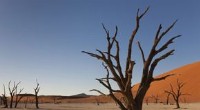
2. Wind Erosion: This occurs when wind picks up and carries away loose soil particles. It is most prevalent in dry, arid areas with little vegetation.
3. Glacial Erosion: This occurs when massive glaciers carve out valleys and transport rocks and sediment as they move.
4. Mass Wasting: This is the downslope movement of rock, soil, and other material due to gravity. It includes various types such as:
* Creep: Slow, gradual downslope movement.
* Slump: Rapid, rotational slide of soil or rock.
* Rockfall: Free-falling rocks down steep slopes.
* Landslide: Rapid, large-scale movement of soil and rock.
It's important to note that erosion is a natural process, but human activities can significantly accelerate it. Understanding these types of erosion helps us implement strategies to minimize their impact and preserve the environment.