1. The Three Rock Types:
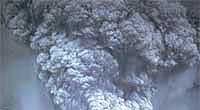
* Igneous Rocks: Formed from the cooling and solidification of molten rock (magma or lava).
* Sedimentary Rocks: Formed from the accumulation and cementation of sediments, like sand, mud, or fragments of other rocks.
* Metamorphic Rocks: Formed when existing rocks (igneous, sedimentary, or even other metamorphic rocks) are transformed by heat, pressure, or chemical reactions.
2. Visual Observation:
* Color: Rocks come in a vast array of colors, often influenced by the minerals they contain.
* Texture: Observe the grain size, shape, and arrangement of mineral crystals or fragments.
* Structure: Look for layering, banding, fractures, or other distinctive features.
* Hardness: Use a scratch test with a fingernail, copper penny, or steel knife to assess hardness.
3. Identifying Igneous Rocks:
* Extrusive: Formed from lava cooling quickly (e.g., basalt, obsidian). They have a fine-grained texture (aphanitic) or a glassy appearance.
* Intrusive: Formed from magma cooling slowly underground (e.g., granite). They have a coarse-grained texture (phaneritic).
* Porphyritic: Contain larger crystals (phenocrysts) embedded in a finer-grained matrix.
4. Identifying Sedimentary Rocks:
* Clastic: Formed from fragments of other rocks (e.g., sandstone, shale).
* Chemical: Formed by precipitation from water (e.g., limestone, rock salt).
* Organic: Formed from the accumulation of organic matter (e.g., coal).
* Fossils: Often found in sedimentary rocks.
5. Identifying Metamorphic Rocks:
* Foliated: Show a layered or banded appearance due to pressure (e.g., slate, schist, gneiss).
* Non-foliated: Lack a layered structure (e.g., marble, quartzite).
6. Tools and Resources:
* Hand Lens: Magnifies details of rock textures.
* Rock Identification Guides: Provide visual examples and descriptions of common rock types.
* Geological Maps: Indicate rock types and geological formations in a region.
* Online Resources: Websites and apps offer rock identification tools and information.
7. Practical Tips:
* Collect samples: Gather small pieces of the rock for closer examination.
* Take photos: Document the rock's appearance in its natural setting.
* Learn common minerals: Many rocks are identified by their constituent minerals.
* Seek expert advice: If you are unsure about a rock's identification, consult a geologist or experienced rock collector.
Remember: Rock identification can be a complex process, but with careful observation, learning, and practice, you can become an expert in recognizing the fascinating diversity of the Earth's rocks.