Wave Erosion:
* Waves crashing against the shoreline cause abrasion (the grinding action of sand and pebbles) and hydraulic action (the force of water compressing air in cracks and crevices).
* This erosion can lead to the formation of cliffs, sea caves, arches, and stacks.
Longshore Drift:
* Waves approach the shore at an angle, carrying sediment along the coast.
* This lateral movement of sediment is known as longshore drift.
* It results in the formation of beaches, spits, and barrier islands.
Other Factors:
* Tides also play a role in erosion and deposition, with high tides causing greater erosion and low tides allowing deposition.
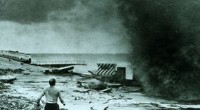
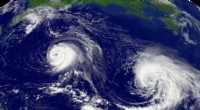
* Storms can cause significant erosion and deposition, especially hurricanes.
* Human activities like coastal development and dredging can also impact erosion and deposition patterns.
The Gulf of Mexico is particularly susceptible to wave erosion and longshore drift due to:
* Frequent storms: The Gulf of Mexico is prone to hurricanes and other storms, which create large waves.
* Gentle slopes: The coastline generally has a gentle slope, allowing waves to penetrate farther inland.
* Abundant sediment supply: Rivers flowing into the Gulf of Mexico carry large amounts of sediment.
In summary, the primary forces driving erosion and deposition along the Gulf of Mexico coastline are wave action and longshore drift. These processes contribute to the dynamic and ever-changing nature of the Gulf Coast.