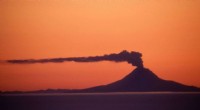
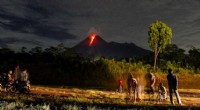
1. Volcanic Regions:
* Volcanic belts: Areas where tectonic plates collide, such as the Ring of Fire around the Pacific Ocean, or where plates pull apart, such as in Iceland and the East African Rift Valley.
* Volcanic fields: Areas with numerous volcanoes, both active and dormant, such as Yellowstone National Park in the US.
2. Geologically Active Areas:
* Fault zones: Areas where the Earth's crust has fractured, allowing hot water to rise from deeper depths.
* Hot springs and geysers: These are surface manifestations of geothermal activity, indicating the presence of hot water beneath the surface.
3. Other Areas with High Heat Flow:
* Areas with shallow magma chambers: Even in the absence of volcanic activity, the presence of magma close to the surface can create geothermal gradients.
* Deep sedimentary basins: In some cases, hot water can be found in deep sedimentary basins, often associated with oil and gas exploration.
Factors that influence geothermal potential:
* Temperature: Geothermal resources require temperatures exceeding 150°C for electricity generation, but lower temperatures can be used for direct heating.
* Permeability: Rocks must be permeable to allow the flow of hot water.
* Water availability: Sufficient water is needed to circulate and extract heat.
Geothermal energy is not evenly distributed around the world. Some countries, like Iceland, have abundant geothermal resources, while others have limited potential.
Remember, it is crucial to conduct thorough geological surveys and feasibility studies to assess the viability of geothermal energy in a specific location.