Sediments are the building blocks of many landforms. They're fragments of rock, minerals, and organic matter that have been broken down from larger pieces. The journey of a sediment starts with erosion:
1. Weathering: The initial breakdown of rocks, minerals, and organic matter occurs due to various weathering processes:
* Physical weathering: This involves the mechanical breakdown of rocks due to forces like temperature changes, frost wedging (freezing water expanding in cracks), abrasion from wind or water, and even plant roots.
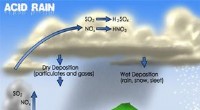
* Chemical weathering: This involves chemical reactions that change the composition of rocks, leading to their breakdown. Acid rain, oxidation (rusting), and hydrolysis (water reacting with minerals) are some examples.
2. Transportation: Once broken down, sediments are transported by various agents:
* Wind: Wind carries small particles like sand and dust over long distances, forming sand dunes and loess deposits.
* Water: Rivers, streams, ocean currents, and waves erode and transport sediments, creating riverbeds, beaches, deltas, and even underwater canyons.
* Ice: Glaciers scrape and grind the landscape, carrying massive amounts of rock and sediment, creating U-shaped valleys, moraines, and glacial lakes.
* Gravity: Gravity pulls sediments down slopes, creating landslides, talus slopes, and debris flows.
Once transported, sediments eventually come to rest in a process called deposition:
* Rivers: Rivers slow down and deposit sediments at their mouths, forming deltas and alluvial plains.
* Ocean: Ocean currents and waves deposit sediments along coastlines, creating beaches, sandbars, and barrier islands.
* Wind: Wind deposits sand in dunes, creating vast dune fields.
* Glaciers: Glaciers melt and release their sediment load, forming moraines, outwash plains, and drumlins.
The accumulation of these deposited sediments over time leads to the creation of new landforms:
* Beaches: Waves erode the shoreline and deposit sand, creating beaches.
* Sand dunes: Wind carries sand and deposits it in mounds called sand dunes.
* Deltas: Rivers deposit sediments at their mouths, forming deltas.
* Alluvial plains: Rivers deposit sediments along their courses, creating fertile alluvial plains.
* Glacial landforms: Glaciers carve out valleys, deposit moraines, and create other characteristic glacial landforms.
The type of landform that is formed depends on the type of sediment, the agent of transportation, and the depositional environment.
The process of creating sediments and landforms is a continuous cycle. Landforms are constantly being eroded and new ones are being formed, driven by forces like weather, water, wind, and ice. This dynamic process shapes the Earth's surface over millions of years.