For Igneous Rocks:
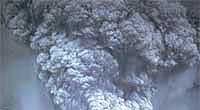
* Crystallization: As molten rock (magma or lava) cools, the minerals within it start to solidify and form crystals. These crystals interlock and grow together, creating a solid rock.
* Chemical Bonding: The atoms in the minerals are held together by chemical bonds, creating a strong, cohesive structure.
For Sedimentary Rocks:
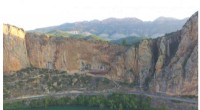
* Cementation: This is a process where dissolved minerals in groundwater precipitate out between the sediment grains. This mineral cement acts like glue, binding the grains together.
* Compaction: The weight of overlying sediments compresses the layers below, squeezing out water and air and forcing the grains closer together.
For Metamorphic Rocks:
* Recrystallization: The intense heat and pressure of metamorphism cause the existing minerals to recrystallize and change their shape and size. This can lead to a new interlocking texture where the minerals are more tightly bound together.
* New Mineral Formation: The heat and pressure can also lead to the formation of new minerals, which can then interlock with existing minerals, creating a stronger rock.
Important Note: All of these processes happen over long geological timescales.