Natural Factors:
* Steep Slopes: The steeper the slope, the greater the force of gravity pulling soil downhill.
* Heavy Rainfall: Intense rainfall can quickly saturate the soil, making it more susceptible to runoff and erosion.
* Geological Factors: Mountainsides often have weak, easily eroded soils, or soils that are prone to landslides.
* Seismic Activity: Earthquakes and other tremors can disrupt soil stability, increasing erosion.
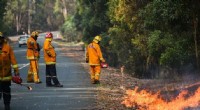
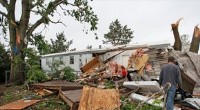
* Natural Vegetation: Lack of vegetation, whether due to wildfire, deforestation, or natural disasters, exposes the soil to erosion.
Human Factors:
* Deforestation: Removing trees and other vegetation exposes the soil to erosion.
* Overgrazing: Excessive grazing by livestock can damage vegetation and compact soil, making it vulnerable.
* Unsustainable Agriculture: Poor farming practices, like tilling on slopes or leaving land bare after harvest, can exacerbate erosion.
* Construction and Development: Building roads, houses, and other structures can disrupt natural drainage patterns and expose soil to erosion.
* Mining and Quarrying: These activities can significantly alter the landscape, exposing soil to erosion.
* Climate Change: Increased frequency and intensity of droughts and heavy rainfall events due to climate change can contribute to soil erosion.
Consequences of Severe Soil Erosion on Mountainsides:
* Loss of Productive Land: Eroded soil loses its fertility and ability to support plant life.
* Sedimentation of Rivers and Reservoirs: Eroded soil ends up in rivers and lakes, reducing water quality, clogging waterways, and damaging aquatic ecosystems.
* Landslides and Mudflows: Eroded slopes become more unstable, leading to landslides and mudflows that can cause significant damage and even fatalities.
* Loss of Biodiversity: Erosion degrades habitat for plants and animals, leading to biodiversity loss.
* Increased Flood Risk: Eroded soil can reduce the ability of land to absorb water, increasing the risk of flooding.
Preventing and Mitigating Soil Erosion:
* Reforestation: Planting trees helps stabilize slopes, protect soil, and enhance water retention.
* Sustainable Agriculture: Using practices like contour farming, crop rotation, and no-till farming can reduce erosion.
* Terracing: Creating stepped terraces on slopes helps slow water flow and reduce erosion.
* Vegetative Barriers: Planting vegetation along slopes can help intercept runoff and reduce erosion.
* Erosion Control Structures: Installing structures like check dams and sediment basins can trap eroded soil.
* Responsible Development: Careful planning and construction techniques can minimize erosion from development projects.
* Education and Awareness: Raising awareness about the impacts of soil erosion and promoting sustainable practices is crucial.
It's essential to remember that soil erosion is a complex issue with multiple contributing factors. Addressing the issue requires a multifaceted approach that combines natural resource management, sustainable practices, and community engagement.