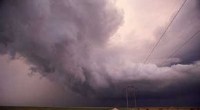
* Moist Air Rising: When moist air from the ocean encounters a mountain range, it is forced to rise. As the air rises, it cools.
* Condensation and Precipitation: As the air cools, the moisture it contains condenses, forming clouds and eventually precipitation. This is why the western slopes of mountains typically receive a lot of rain.
* Dry Air Descending: Once the air reaches the top of the mountain range, it descends down the eastern side. As it descends, it warms up.
* Warm Air Holds More Moisture: Warm air can hold more moisture than cold air. Therefore, the descending air on the eastern slopes has a reduced capacity to hold moisture, meaning it's less likely to produce rain.
In summary:
* Windward Side: The western slopes of mountains (windward side) experience abundant precipitation due to rising, cooling air.
* Leeward Side: The eastern slopes (leeward side) experience less precipitation due to descending, warming air that can hold more moisture.
This effect can have a significant impact on the climate and vegetation on both sides of a mountain range. The western slopes are often lush and green, while the eastern slopes can be drier and more desert-like.