1. Subduction Zone:
* The area where one plate descends beneath the other is called a subduction zone.
* The descending plate melts as it plunges deeper into the Earth's mantle.
2. Trench:
* A deep, narrow depression in the ocean floor, often found along the edge of the subducting plate. The Mariana Trench is a famous example.
3. Volcanic Arc:
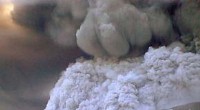
* As the subducting plate melts, magma rises to the surface and erupts, forming a chain of volcanoes along the overriding plate. This is known as a volcanic arc. The Aleutian Islands are an example of a volcanic arc.
4. Island Arc:
* If the volcanic arc emerges above sea level, it forms a chain of islands known as an island arc. The Philippines and Japan are examples of island arcs.
5. Earthquakes:
* Subduction zones are areas of intense seismic activity. The friction between the plates can cause earthquakes, some of which can be very powerful.
6. Accretionary Prism:
* Sediments and rock fragments scraped off the descending plate accumulate at the edge of the overriding plate, forming an accretionary prism.
7. Back-arc Basins:
* In some cases, a basin can develop behind the volcanic arc, known as a back-arc basin. This basin can be filled with sediments or even become a site of seafloor spreading.
In summary, the convergence of two oceanic plates leads to a complex interplay of geological processes, resulting in trenches, volcanic arcs, island arcs, earthquakes, accretionary prisms, and back-arc basins.