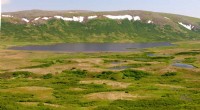
* Low rainfall: Often less than 10 inches per year.
* High evaporation rates: Due to hot temperatures and low humidity.
* Sparse vegetation: Limited plant life due to the lack of water.
Characteristics of arid soil:
* Low organic matter: Decomposers like bacteria and fungi struggle to thrive in arid conditions, leading to low organic matter content.
* High mineral content: Due to the lack of water, minerals are not readily leached from the soil.
* Poor structure: Arid soils tend to be loose and sandy, lacking the structure needed for strong root development.
* Salinization: The accumulation of salts due to evaporation can make arid soils difficult for plants to tolerate.
Challenges of arid soil:
* Plant growth limitations: The lack of water makes it difficult for plants to survive and thrive.
* Erosion: The loose structure makes arid soils vulnerable to wind and water erosion.
* Limited agricultural potential: Arid soils are often unsuitable for traditional agriculture due to their low water retention and high salinity.
Strategies for managing arid soils:
* Water conservation: Efficient irrigation techniques are crucial to supplement limited rainfall.
* Soil amendment: Adding organic matter, compost, or mulch can improve soil structure and water retention.
* Drought-tolerant plants: Selecting plant species that are adapted to dry conditions can help establish vegetation.
Understanding the characteristics and challenges of arid soils is important for developing sustainable land management practices in dry regions.