1. Soil Renewal:
* Nutrient cycling: Erosion transports weathered rock particles and organic matter from higher elevations to lower areas, enriching soil fertility.
* New land formation: Erosion can create new fertile land by depositing sediment in river valleys and deltas.
2. Landscape Shaping and Diversity:
* Carving out valleys and canyons: Erosion creates diverse landscapes, shaping valleys, canyons, and other natural features, enhancing scenic beauty and providing habitats for various species.
* Creating new ecosystems: Eroded materials can form new islands, coastal areas, and sand dunes, supporting unique plant and animal communities.
3. Nutrient Transport and Water Quality:
* Nutrient delivery to rivers and oceans: Erosion carries nutrients from land into aquatic ecosystems, supporting aquatic life and food chains.
* Sedimentation: Eroded sediment can act as a filter, trapping pollutants and improving water quality.
4. Geological Processes:
* Rock formation: Erosion plays a role in the formation of sedimentary rocks, contributing to the geological history of the Earth.
* Exposure of mineral deposits: Erosion can expose valuable mineral deposits, making them accessible for mining and resource extraction.
However, it's important to note that excessive erosion can be harmful:
* Soil degradation: Excessive erosion can lead to the loss of topsoil, reducing soil fertility and agricultural productivity.
* Water pollution: Eroded sediment can pollute water bodies, harming aquatic life and impacting water quality.
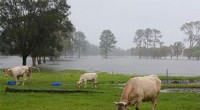
* Landslides and flooding: Eroded slopes become unstable, increasing the risk of landslides and flooding.
Therefore, managing erosion is crucial to balance its benefits and mitigate its potential negative impacts. This involves practices like sustainable agriculture, reforestation, and protective measures to prevent excessive erosion.