Here's a breakdown of the key features:
Formation:
* Eruptions: Composite volcanoes are formed by explosive eruptions that release viscous, silica-rich lava.
* Lava Flows: The lava flows are slow-moving and solidify quickly, creating thick layers.
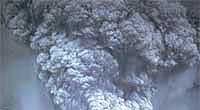
* Pyroclastic Debris: Explosive eruptions also eject a mix of hot gas, ash, and rock fragments called pyroclastic debris. This material settles around the vent, forming layers of ash and pumice.
* Layers: Over time, the alternating layers of lava and tephra build up, creating a cone-shaped structure.
Characteristics:
* Conical Shape: Composite volcanoes have a distinctive conical shape, with a steep, symmetrical profile.
* Summit Crater: They often have a crater at the summit, which is formed by the collapse of the volcano's central vent.
* Height: Composite volcanoes can be very tall, sometimes reaching heights of over 10,000 feet.
* Explosive Eruptions: These volcanoes are known for their explosive eruptions, which can be extremely dangerous.
* Viscosity: The lava produced by composite volcanoes is viscous, meaning it is thick and sticky.
Examples:
* Mount Fuji (Japan)
* Mount Vesuvius (Italy)
* Mount St. Helens (USA)
* Mount Kilimanjaro (Tanzania)
Compared to other volcanoes:
* Shield volcanoes: Have gentle slopes and are built up by fluid lava flows.
* Cinder cones: Are smaller and steeper than composite volcanoes, formed by eruptions of pyroclastic debris.
Importance:
* Landscape Formation: Composite volcanoes shape the landscape and create fertile soils.
* Tourism: They are popular tourist destinations, offering stunning views and opportunities for outdoor recreation.
* Natural Hazards: Explosive eruptions pose significant risks to surrounding populations.
In summary, composite mountains, or stratovolcanoes, are impressive and potentially dangerous formations built by layers of lava flows and pyroclastic debris. They are a fascinating example of the Earth's dynamic geological processes.