Here's a breakdown:
* Crust: The outermost layer of Earth, composed of solid rock.
* Magma: Molten rock found beneath the Earth's surface.
* Tectonic Plates: The Earth's crust is broken into large, irregularly shaped pieces called tectonic plates. These plates are constantly moving and interacting with each other.
The movement of these plates is driven by the convection currents in the Earth's mantle, which is the layer beneath the crust. The heat from the Earth's core causes the mantle to flow slowly, and this movement drags the tectonic plates along with it.
The interaction of tectonic plates is responsible for a variety of geological phenomena, including:
* Earthquakes: Occur when tectonic plates suddenly slip past each other.
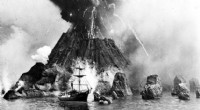
* Volcanoes: Form when magma rises to the surface and erupts.
* Mountain ranges: Are formed when tectonic plates collide.
* Ocean trenches: Form where tectonic plates are subducted (one plate slides beneath another).
So, in essence, the Earth's crust is not one solid piece but rather a series of massive floating plates that are constantly in motion, driven by the heat and convection currents in the mantle.