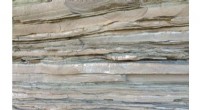
There are two main types of weathering:
* Physical weathering: This involves the breakdown of rocks into smaller pieces without changing their chemical composition. Examples include:
* Frost wedging: Water freezes in cracks in rocks, expands, and widens the cracks.
* Thermal expansion and contraction: Rocks expand and contract with changes in temperature, causing stress and eventual fracturing.
* Abrasion: Rocks are worn down by the friction of wind, water, or ice.
* Chemical weathering: This involves the breakdown of rocks through chemical reactions. Examples include:
* Oxidation: Iron in rocks reacts with oxygen to form iron oxide (rust).
* Hydrolysis: Water reacts with minerals in rocks to form new minerals.
* Carbonation: Carbon dioxide in the air dissolves in water to form carbonic acid, which can dissolve limestone.
Weathering is a crucial process in the rock cycle, as it creates the sediment that forms new rocks. It also plays a key role in shaping the Earth's surface and creating soil.