The geological processes involved in the phosphorus cycle include:
* Weathering of rocks: Phosphorus is primarily found in rocks. Weathering, caused by rain, wind, and other natural forces, breaks down these rocks, releasing phosphorus into the soil and water.
* Erosion: Weathering and erosion transport phosphorus from rocks to soil and water bodies, moving it through the environment.
* Sedimentation: Phosphorus in water bodies can settle to the bottom and form sediments. These sediments eventually become new rocks, essentially locking phosphorus away for long periods.
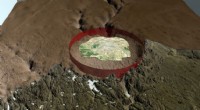
* Volcanic activity: Volcanic eruptions can release phosphorus from deep within the Earth's crust back into the environment, restarting the cycle.
These geological processes are crucial for the long-term cycling of phosphorus:
* They act as reservoirs of phosphorus, holding it in rocks for millions of years.
* They release phosphorus back into the biosphere through weathering and volcanic activity.
* They transport phosphorus through the environment, making it available for biological processes.
It's important to note: The geological processes in the phosphorus cycle are slow, happening over millions of years. This contrasts with the relatively faster biological processes that involve uptake of phosphorus by plants and animals.