Here's a breakdown:
* Fault: A fracture or zone of fractures in the Earth's crust where there has been significant movement.
* Faulting: The process by which rocks move along a fault. This movement can be:
* Slip: The amount of movement along a fault.
* Dip: The angle of the fault plane relative to the horizontal.
* Strike: The direction of the fault plane relative to north.
Types of Faulting:
* Normal Fault: Hanging wall (the block above the fault) moves down relative to the footwall (the block below the fault). This occurs in areas of extension.
* Reverse Fault: Hanging wall moves up relative to the footwall. This occurs in areas of compression.
* Strike-Slip Fault: Movement is horizontal, with the blocks sliding past each other. This occurs in areas of shear stress.
Causes of Faulting:
* Tectonic Forces: The movement of tectonic plates creates stress on the Earth's crust, leading to faulting.
* Gravity: Gravity can cause rocks to slide down slopes, creating normal faults.
Consequences of Faulting:
* Earthquakes: The sudden release of energy along a fault can cause earthquakes.
* Mountain Formation: Folding and faulting can create mountain ranges.
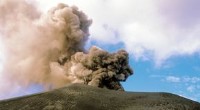
* Volcanic Activity: Faulting can provide pathways for magma to rise to the surface.
* Landslides: Faulting can weaken slopes, making them prone to landslides.
Understanding faulting is crucial for:
* Earthquake Prediction: Studying fault zones helps scientists predict earthquake risk.
* Engineering: Engineers need to consider faulting when designing structures, especially in earthquake-prone areas.
* Resource Exploration: Fault zones can be associated with mineral deposits and oil and gas reserves.