How Bays Form:
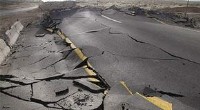
* Tectonic Activity: The most common way bays form is through tectonic uplift or subsidence. When the land sinks (subsidence), the coastline can become indented, forming a bay.
* Glacial Activity: In areas where glaciers once existed, the ice sheets carved out valleys, which then flooded by the sea after the ice retreated, creating fjord-like bays.
* River Valleys: Rivers often erode valleys that extend into the sea. When sea level rises, these valleys can become submerged, creating estuaries (a type of bay).
* Volcanic Activity: Volcanoes that erupt underwater can form craters that later fill with water, becoming calderas (a type of bay).
How Erosion Shapes Bays:
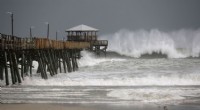
* Wave Action: Waves erode the headlands and cliffs that surround a bay, widening and deepening the bay over time.
* Tidal Currents: Tides can further erode bay shores, especially in areas with strong currents.
* Sediment Transport: Erosion carries sediment away from the bay's shores, depositing it in other locations and contributing to the bay's distinctive shape.
In Summary:
* Bays are formed primarily by geological processes like tectonic activity, glaciation, river erosion, or volcanic activity.
* Erosion acts as a secondary force, shaping and enhancing the bays created by these processes.
Let me know if you want to explore specific examples of bay formation and erosion!