1. High Plateau:
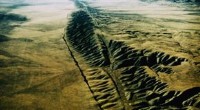
* The Hopi mesas sit atop the Colorado Plateau, a high elevation region averaging around 5,000-7,000 feet above sea level.
* This altitude contributes to the region's dry climate and unique ecosystem.
2. Volcanic Activity:
* The landscape features volcanic formations, including buttes, mesas, and cinder cones.
* These formations were created millions of years ago by volcanic eruptions, leaving behind a diverse and dramatic terrain.
3. Mesas and Canyons:
* Mesas, flat-topped hills with steep sides, are the most iconic feature of the Hopi region.
* The mesas are formed by layers of sedimentary rock that were uplifted and eroded by wind and water over millions of years.
* The Hopi villages are traditionally located on these mesas, offering strategic vantage points and natural defenses.
* Canyons, including the vast Grand Canyon to the south, carve through the plateau and create a rugged and dramatic landscape.
4. Dry Climate and Limited Water:
* The Hopi region has a semi-arid climate, with limited rainfall and high evaporation rates.
* This aridity has significantly shaped Hopi culture and traditional farming practices, which rely on careful water management and efficient use of resources.
5. Diverse Vegetation:
* While the climate is dry, the region supports a variety of plant life, including juniper, pinyon pine, and sagebrush.
* These plants adapted to survive the arid conditions and are essential to the Hopi way of life.
6. Native Plants and Animals:
* The Hopi region is home to a rich diversity of plants and animals, many of which are found nowhere else.
* This includes native species like the pronghorn antelope, desert tortoise, and Gila monster, which play vital roles in the local ecosystem.
These physical features have played a critical role in shaping the Hopi culture, their traditional practices, and their unique way of life. The Hopi people have lived in harmony with this landscape for centuries, adapting to its challenges and cherishing its beauty.