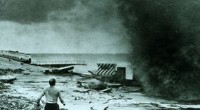
Natural Forces:
* Water: Rivers, streams, and ocean currents are powerful agents of erosion and transport. Running water carries sediment particles of various sizes, from fine silt to large boulders, depending on the flow velocity and channel morphology.
* Wind: Wind can pick up and move sediment, especially in arid and semi-arid regions. This is particularly effective for fine particles like sand and dust, which can be transported long distances.
* Ice: Glaciers and ice sheets are powerful agents of erosion and transport. They carve out valleys and transport massive amounts of sediment, often depositing it in large moraines at their edges.
* Gravity: Gravity plays a role in sediment transport through processes like landslides, rock falls, and creep. These events can move large volumes of sediment quickly and dramatically reshape landscapes.
Human-induced Forces:
* Construction: Construction activities, such as excavation, road building, and land development, can disrupt natural sediment transport processes and lead to increased erosion.
* Agriculture: Agricultural practices like tilling, crop rotation, and livestock grazing can alter soil structure and make it more susceptible to erosion.
* Mining: Mining activities can create large-scale disturbances that expose soil and rock to erosion, leading to significant sediment transport.
Key Factors Influencing Sediment Transport:
* Sediment size: Larger sediment particles require greater energy to be moved, while smaller particles can be transported by weaker forces.
* Flow velocity: The speed of water or wind determines the size of sediment that can be carried.
* Channel morphology: The shape and size of the channel through which sediment is transported influences flow patterns and sediment transport rates.
* Climate: Precipitation patterns, wind speed, and temperature all play a role in determining the frequency and intensity of sediment transport.
Understanding how sediment is moved is crucial for managing natural resources, predicting environmental impacts, and mitigating erosion.