Ground Displacement:
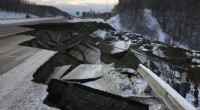
* Faults: Visible cracks and breaks in the Earth's surface where movement has occurred. These can be large, obvious ruptures or small, subtle fissures.
* Landslides: Slopes destabilized by the shaking can cause rocks, soil, and debris to slide downhill.
* Subsidence: The ground may sink or collapse, creating depressions, particularly in areas with loose soil or unconsolidated sediment.
* Uplift: Some areas may be pushed upwards, creating uplifted ridges or plateaus.
Structural Damage:
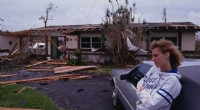
* Buildings and infrastructure: Buildings can be damaged or destroyed, bridges may collapse, and roads can be cracked or buckled.
* Liquefaction: Loose, saturated soil can lose its strength during shaking and behave like a liquid, causing structures to sink or tilt.
* Tsunamis: If the earthquake occurs underwater, it can displace massive amounts of water, creating devastating waves.
Other Observations:
* Changes in water levels: Wells and springs may be affected, with some drying up and others overflowing.
* Fissures and cracks in the ground: These may appear in areas where the ground has been stretched or compressed.
* Changes in rock formations: Earthquakes can fracture rocks, exposing fresh surfaces and potentially revealing previously hidden geological features.
* Aftershocks: Smaller earthquakes that follow the main event, often for days, weeks, or even months.
Geologists will also be looking for:
* Seismic wave patterns: Analyzing data from seismographs to understand the earthquake's magnitude, location, and fault rupture characteristics.
* Ground motion: Measuring how much the ground shook at different locations.
* Soil and rock samples: Collecting samples to assess the physical properties of the affected ground and potential for future landslides or other hazards.
By carefully observing and analyzing the changes in the landscape and geological structures, geologists can gain valuable insights into the earthquake's impact and its potential consequences. This information is essential for understanding the risks of future earthquakes and informing hazard mitigation strategies.