Here's a breakdown of the term:
* Layered: The deposits are built up in layers, like a quilt, over time, with each layer representing a separate eruption or volcanic event.
* Volcanic rock: The layers are composed of various volcanic materials, such as basalt, andesite, rhyolite, and pyroclastic debris.
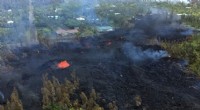
* Lava flows: These are molten rock flows that solidify and create relatively smooth layers.
* Tephra: This includes ash, volcanic bombs, lapilli (small rock fragments), and other material ejected from a volcano.
The "quilt" structure provides valuable information about the history of a volcano, including the frequency, intensity, and types of eruptions that have occurred. Geologists can study the different layers to understand the volcano's evolution, potential hazards, and the composition of its magma chamber.
Example: You might hear a geologist refer to the "lava flow quilt" of Mount Etna or the "tephra quilt" of Mount Vesuvius. These terms describe the layered structures of volcanic deposits that blanket the slopes of these volcanoes.